Almost every culture in human history has used some form of protection object — a small charm worn or carried to keep the wearer safe from harm, illness, or bad luck. These objects don’t just survive in folklore; they’re more popular today than they’ve been in a century. Here’s a practical guide.
Talisman vs. amulet vs. charm
- Amulet: defensive. Wards off negativity, evil eye, illness. Example: hamsa hand, evil eye, black tourmaline.
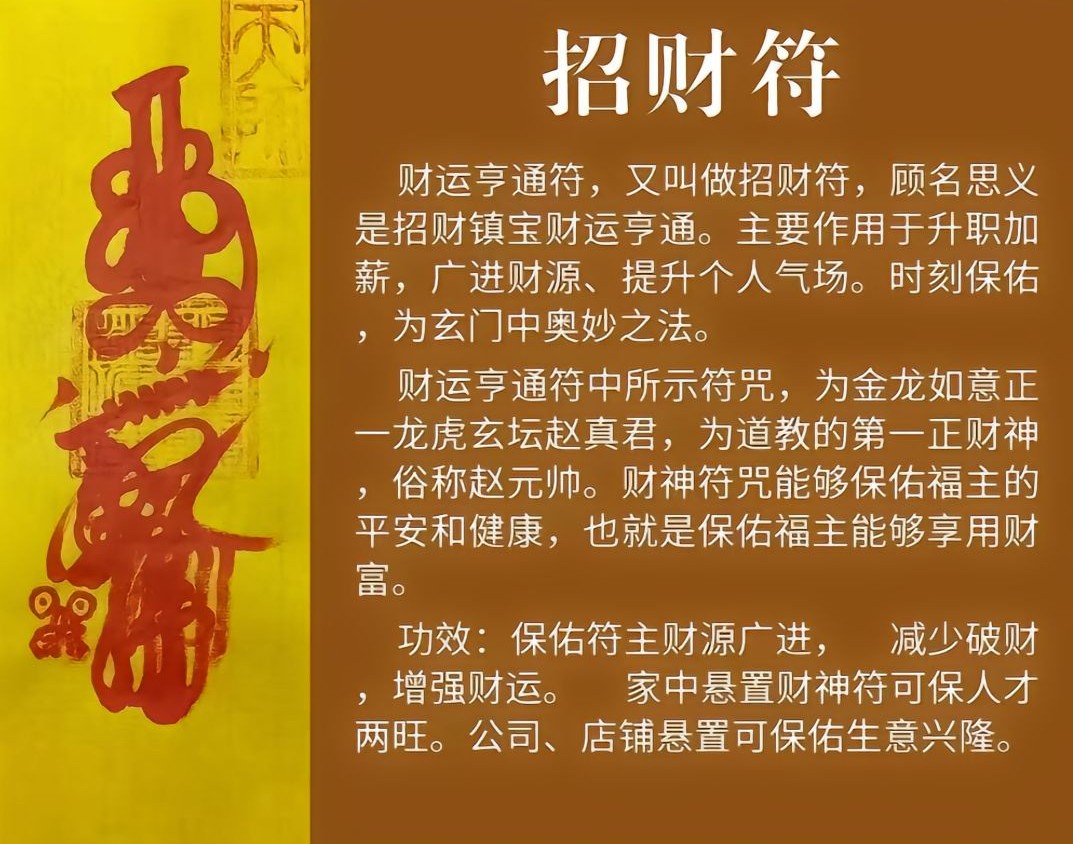
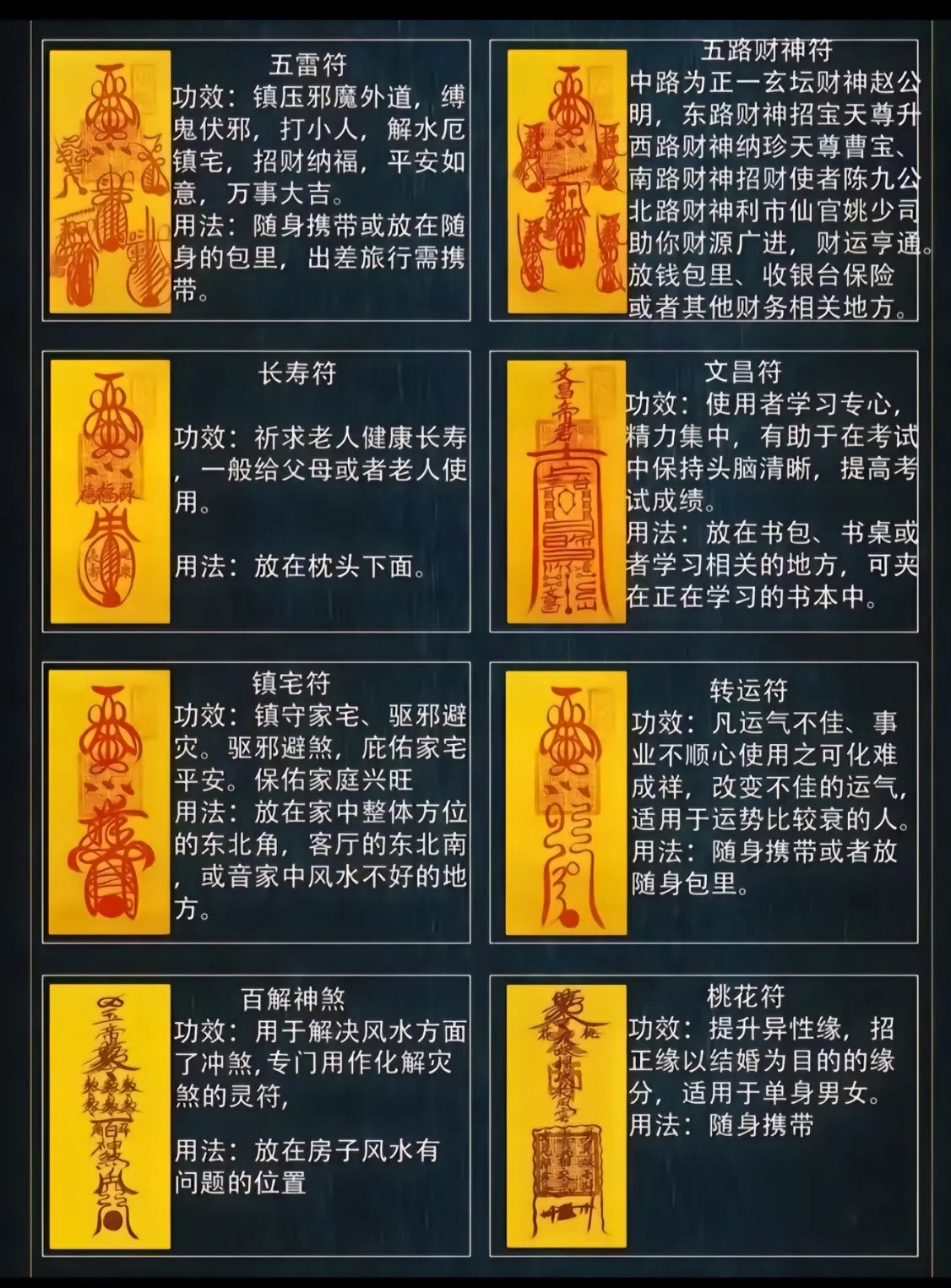
- Talisman: active. Attracts toward you a desired outcome — wealth, love, success. Example: Pixiu, lucky coin, citrine.
- Charm: general term for any small object carrying intention.
You can wear both — many people do.
The most trusted protection symbols worldwide
- Hamsa hand (Middle East / North Africa): wards off the evil eye.
- Nazar / blue eye (Turkey, Greece): reflects envy back to its source.
- Cross & Saint Christopher medal (Christian): divine protection, traveler’s safety.
- Om / Sri Yantra (Hindu): alignment with cosmic order.
- Dorje / Vajra (Tibetan Buddhism): indestructible spiritual power.
- Pa Kua / Bagua (Taoism): dispels sha qi, harsh energy.
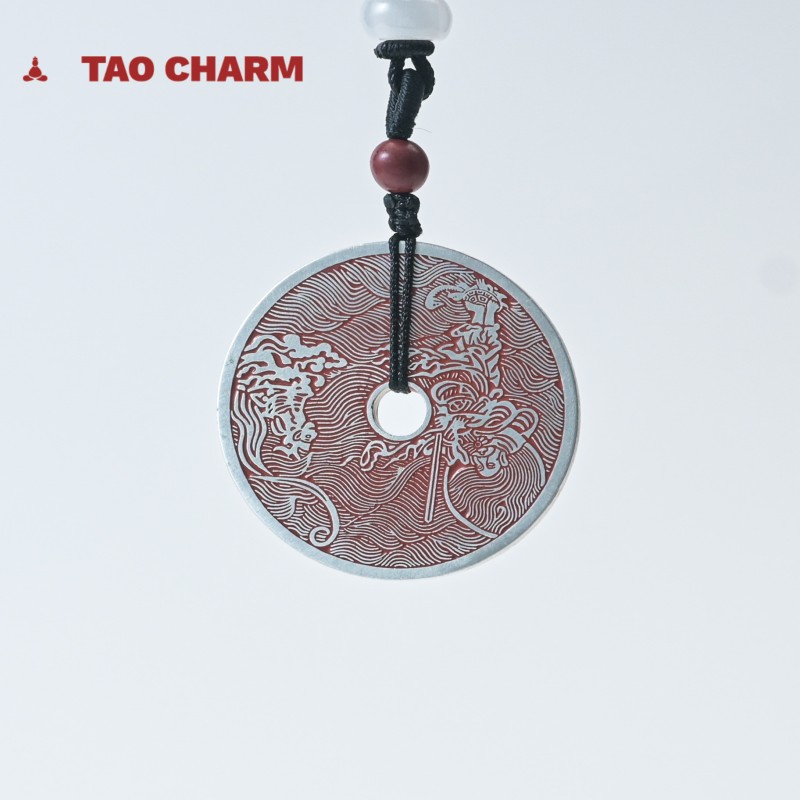
- Ancient Chinese coins: wealth + protection (the round outside = heaven, the square hole = earth).
- Black tourmaline / black obsidian: personal energetic shield.
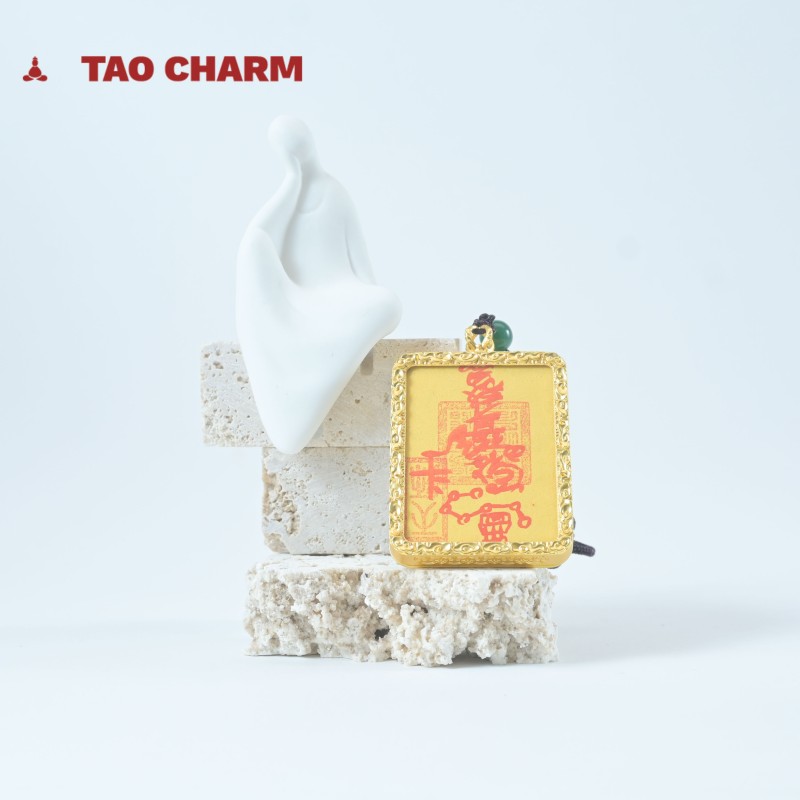
How to “activate” a new talisman
- Cleanse it. Smudge with sage / palo santo, rinse under running water, or rest on selenite for 24 hours.
- Hold it in your dominant hand. Close your eyes.
- Speak the intention — clearly, simply, in present tense. “You protect me from harmful energy. You keep my home safe. Thank you.”
- Wear or place it the same day.
- Re-cleanse every 2–4 weeks, especially after a difficult period.
Where to wear or place it
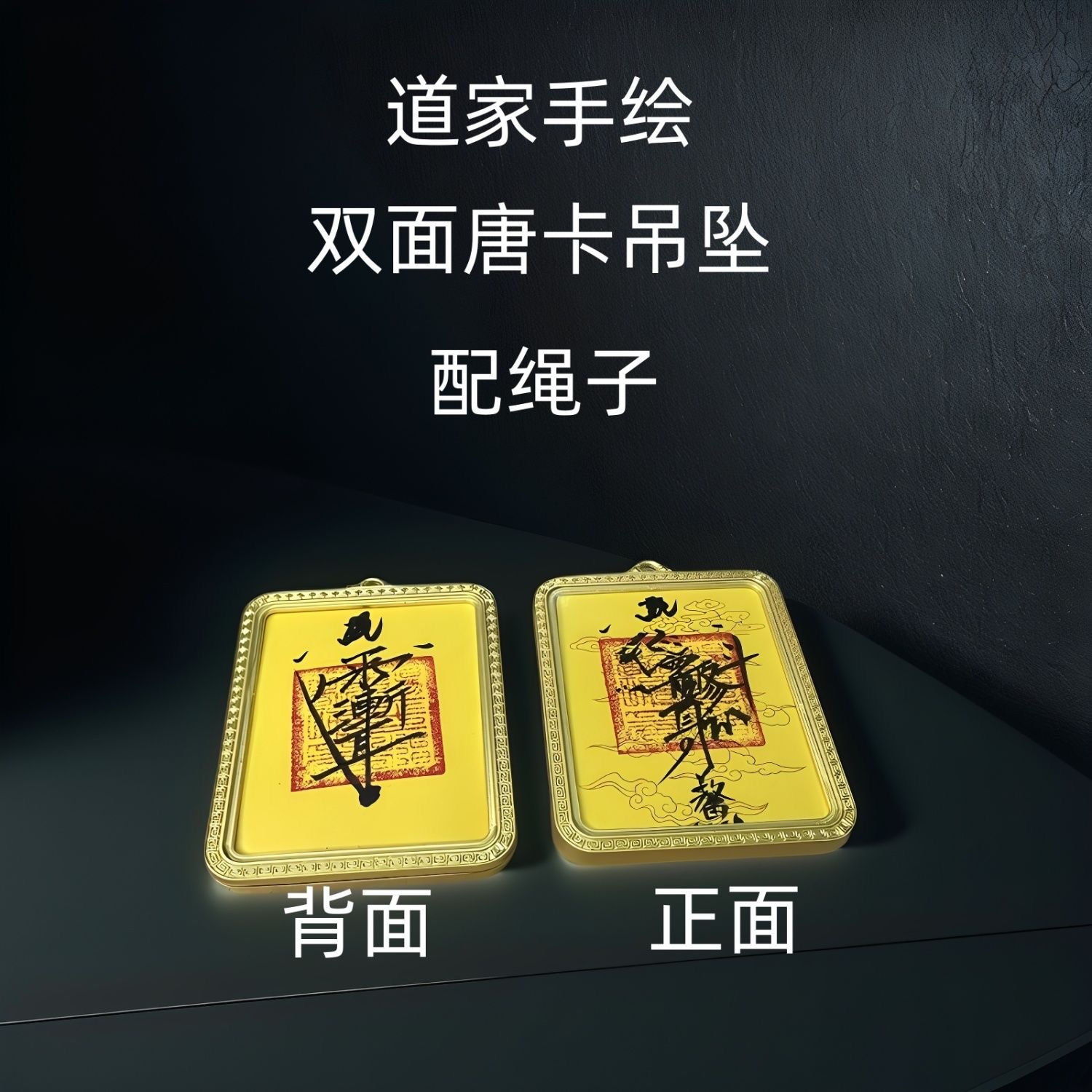
- On you: bracelet, necklace, key chain, wallet.
- At home: above the front door, by the bed, near the workspace.
- In the car: hanging from the rearview mirror.
- For children: sewn discreetly into a backpack or jacket.
What to do if it breaks or is lost
Across nearly every tradition, a broken or suddenly lost protection object is interpreted the same way: it absorbed something on your behalf. Thank it, dispose of it respectfully (bury it or return it to running water), and replace it. This isn’t superstition — it’s closure, and closure is part of how protection works.
The real mechanism
Talismans work on two levels: cultural meaning (thousands of years of belief give a symbol weight) and personal psychology (a touchstone you can see and feel changes how you walk through your day). You don’t need to choose between “real magic” and “just a reminder.” Both are doing something. Both are working for you.